


Acupuncture in Wokingham, Berkshire
On this page
- About
- History
- How acupuncture works
- Is acupuncture safe?
- What can acupuncture treat?
- How does acupuncture feel?
- What will I feel like afterwards?
- What is dry needling?
- Our acupuncturist
1. About
Acupuncture is the ancient healing art of inserting very fine needles into specific points along pathways on the body to activate the Qi (vital energy). The flow of Qi can be disrupted in many ways – by emotions, poor diet, overwork, trauma and stress. Acupuncture acts to restore the natural flow of Qi, bringing a holistic balance back to the body.
2. History of acupuncture
Acupuncture probably originated from acupressure, where applying pressure to a point on the body was found to help a different part of the body in discomfort. The Chinese added their unique understanding of nature to these points to give us the acupuncture we know today. The technology used to make acupuncture needles has evolved over the centuries from bamboo splints to thick needles to the ultra-fine pins used today. In the west, these single-use pins are disposed of in sharps containers and incinerated for health and safety reasons.
3. How does acupuncture work?
Acupuncture is a great regulator and helps the body to help itself. It regulates normal bodily functions – whether the immune system, nervous system or reproductive system. Because acupuncture is holistic, it can regulate many systems simultaneously, as everything is interconnected, allowing a natural recovery from symptoms without the side effects of pharmaceutical drugs. The video below explains how acupuncture works in the relief of pain.
4. Is acupuncture safe?
A large-scale study published in 2001 found acupuncture to be very safe after reviewing over 34,000 treatments. It is also safe to use during pregnancy to help maintain a healthy pregnancy, and can be used during labour to help ensure a smooth birth and relieve pain.
It is worth noting that doctors, physiotherapists, chiropractors and nurses can legally perform acupuncture after completing a weekend course. It is not possible to learn over 2,000 years of medicine in one weekend. Always ensure your acupuncturist holds a full degree-level qualification in Traditional Chinese Medicine.
5. What can acupuncture treat?
Acupuncture is recommended by the World Health Organisation (WHO) for the treatment of a wide range of health conditions. See our overview of health problems treated at the clinic for the full list of conditions across pain, mental health, women's health and digestive issues. What makes this system so uniquely suited to modern life is that physical, emotional and mental aspects of health are seen as interdependent – reflecting the connection many people perceive between different aspects of their lives.
Acupuncture is holistic and aims to restore balance to the mind, body and emotions. There are twelve principal channels spanning the human body, similar to lines on an underground map, with acupuncture points acting like stations along each channel. Each point has an associated health property, and stimulating them with very fine needles gives the body a gentle push back towards good health.
6. How does acupuncture feel?
Many people are reluctant to try acupuncture due to a fear of needles, which often stems from experiences with blood tests or vaccinations. However, acupuncture needles are more like pins – so fine that twenty of them can fit inside a standard syringe needle. Some people feel acupuncture more than others, often as a result of lower energy levels. The sensations felt during acupuncture are unlike anything experienced in day-to-day life and may include:
- A dull, throbbing ache
- A pulling sensation
- An electrical sensation
- A tingling sensation
- A brief sharpness as the needle breaks the skin
7. What will I feel after having acupuncture?
The most noticeable effect people experience after acupuncture is a deep sense of calm and relaxation. Stress and anxiety play an important role in many health conditions, so this reduction in tension is itself a significant benefit. Some patients feel slightly light-headed when getting up from the couch, which is entirely normal. Some even fall asleep during treatment, which can be deeply restorative.
The more a person relaxes during treatment, the more effective acupuncture tends to be. After a session it is perfectly safe to drive or return to work, although many patients prefer to schedule appointments after work to make the most of the relaxed state it induces.
8. What is dry needling?
Dry needling is not acupuncture. Simply inserting a needle where it hurts does not constitute acupuncture treatment. GPs, osteopaths, chiropractors and physiotherapists who have completed only weekend courses have very limited training in needling. Please ensure you receive proper, degree-level Traditional Chinese Medicine acupuncture from a fully qualified and registered practitioner.
What patients say – Google reviews
“Excellent acupuncture. Felt amazing for four months. The best in the business!”
“Excellent, qualified, great skills and a wonderful personality. The best practitioner I have seen.”
“Excellent in every way – kind, caring, concerned, intelligent and professional.”
9. Our acupuncturist
Dr (TCM) Attilio D'Alberto BM (Beijing), BSc (Hons) TCM, MBAcC, MRCHM
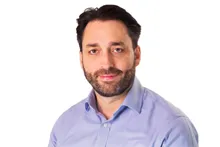 Dr (TCM) Attilio D'Alberto has been practising acupuncture and Chinese herbal medicine for over 25 years. He is passionate about empowering people with the ancient knowledge of Chinese medicine through lifestyle and diet.
Dr (TCM) D'Alberto graduated with a Bachelor of Medicine from Beijing University of Traditional Chinese Medicine (TCM) in China – a full-time, five-year degree programme that included six months of clinical internship at two of the largest hospitals in Beijing.
Dr (TCM) D'Alberto practises acupuncture, moxibustion and cupping from his own acupuncture clinic in Wokingham. He is a member of the British Acupuncture Council and practises traditional Chinese acupuncture.
Book your acupuncture consultation today. Most patients see meaningful improvement within the first few sessions.
☎ Call 07786 198 900 ✉ info@wokinghamtherapyclinic.com
Book your consultation