


Moxibustion for breech baby in Wokingham, Berkshire
Moxibustion for breech is a gentle, evidence-based traditional Chinese medicine technique used to encourage a breech baby to turn into the head-down position before labour. Wokingham Therapy Clinic offers breech moxibustion treatment in Berkshire, delivered by Dr (TCM) Attilio D'Alberto, a Beijing-trained acupuncturist with 25+ years' experience in pregnancy care. Whether you are searching for moxibustion breech support, moxibustion breech baby treatment or acupuncture moxibustion for a breech baby, the same technique applies – warming the acupuncture point Zhiyin (UB67) on the little toe to encourage the baby to rotate naturally.
On this page
- About breech presentation
- Moxibustion for a breech baby
- How does moxibustion work?
- Success rate and evidence
- What to expect
- How to use moxibustion at home
- Frequently asked questions
- Our moxibustion therapist
1. About
A breech presentation is a pregnancy condition that occurs in the third trimester (between 30–34 weeks), when the baby is not positioned head down. Around 15% of babies will be in a breech position at some point, but only 3–4% remain in this position at the time of labour. In a breech presentation, the baby is presenting with its knees, feet or buttocks downward, meaning it cannot be delivered vaginally without risk.
To correct a breech presentation, a doctor may recommend the external cephalic version (ECV) procedure. Unfortunately, this procedure is often painful and uncomfortable, and it does not always succeed.
2. Moxibustion for a breech baby
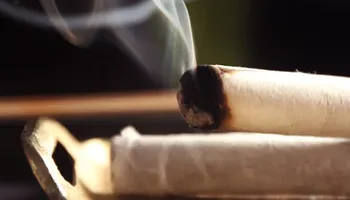
Moxibustion (also known as moxa) is a natural, comfortable alternative to ECV for turning a breech baby. Derived from the Chinese herb mugwort, moxa sticks are lit and held over specific acupuncture points on the body. The heat from the stick stimulates the points without any pain or discomfort. Treatment can begin from 34–36 weeks of pregnancy.
Moxibustion breech treatment is one of the most well-researched applications of traditional Chinese medicine in pregnancy. The technique – sometimes referred to as breech moxibustion – uses the warmth of smouldering moxa to stimulate the acupuncture point Zhiyin (UB 67) on the little toe. Heat rises through the urinary bladder channel up the body, encouraging the baby to turn naturally into the head-down position. The process is designed to be comfortable for the expectant mother, with no needles and no manual manipulation of the abdomen.
Unlike external cephalic version (ECV), moxibustion breech treatment can be done at home, is painless, and carries no reported risk to mother or baby when performed correctly. It is typically recommended between 33 and 36 weeks of pregnancy, when there is still enough space for the baby to turn.
3. How does moxibustion work?
Dr (TCM) Attilio D'Alberto places a smokeless moxa stick approximately 1cm above the mother's little toe, where the most dynamic point to activate the uterus is located. A smokeless charcoal preparation of mugwort is used, making it suitable for use both at the clinic and at home.
4. Success rate and evidence
Moxibustion for a breech baby is one of the most-researched applications of traditional Chinese medicine in pregnancy. A landmark randomised controlled trial published in the Journal of the American Medical Association (JAMA) found that moxibustion at acupuncture point Zhiyin (UB67) significantly increased the rate of spontaneous cephalic (head-down) version in breech presentations. Subsequent systematic reviews and meta-analyses in journals including Acta Obstetricia et Gynecologica Scandinavica have reported overall success rates of approximately 60–75% when moxibustion is started between 33 and 36 weeks of pregnancy.
Reported benefits include:
- Higher rates of spontaneous version compared with no treatment
- Reduced need for external cephalic version (ECV) and elective caesarean section
- No reported risk of harm to mother or baby when performed correctly
- Reduced foetal stress, since the technique does not involve manual manipulation of the abdomen
The National Institute for Health and Care Excellence (NICE) acknowledges complementary approaches such as moxibustion as a reasonable option for women seeking to avoid or delay ECV. Always discuss treatment with your midwife or obstetrician.
5. What to expect at your appointment
Acupuncture theory suggests that moxa has a warming effect that promotes activity and movement within the body. Combined with the natural rising properties of heat, this encourages the baby to move and rotate into the correct head-down position towards the opening of the pelvis.
At your appointment, Dr (TCM) D'Alberto will take a brief history, check the position of the baby with your most recent scan, demonstrate how to apply the moxa correctly, and provide you with written instructions and a box of smokeless moxa sticks to continue the treatment at home. The initial consultation lasts around 45 minutes. Treatment is most effective when started between 33 and 36 weeks and continued daily for 10 days.
6. How to use moxibustion at home to turn a breech baby
- Light one end of the moxa stick with a lighter
- Hold the lit end two to three centimetres from the outer edge of your little toe, ensuring there is no direct contact with the skin at any time
- Apply to each little toe for approximately 20 minutes for 10 days
- When finished, extinguish the moxa stick by placing it in a glass jar and screwing the lid on firmly
- When you feel movement, visit your midwife and arrange a scan to check whether the baby has turned
- If the baby has turned, reduce treatment time to 10 minutes per toe until the full 10 days is complete
7. Frequently asked questions
What is the success rate of moxibustion for a breech baby?
Published research reports an overall success rate of around 60–75% when moxibustion is started between 33 and 36 weeks of pregnancy. The earlier moxibustion is started, the better the chance of success, as the baby still has space to turn.
When should I start moxibustion for a breech baby?
The optimal window is between 33 and 36 weeks of pregnancy. Treatment can still be tried up to 37 or 38 weeks, but success rates decline as the baby becomes larger and has less room to move.
Is moxibustion safe in pregnancy?
Yes. When performed correctly by a qualified acupuncturist registered with the British Acupuncture Council, moxibustion at point UB67 has no reported risk to mother or baby. Smokeless moxa sticks are used so there is no exposure to smoke. You should always inform your midwife you are using moxibustion.
Does moxibustion hurt?
No. Moxibustion involves only gentle warmth applied above the skin of the little toe – the moxa stick never touches the skin. Most women describe the sensation as comforting and relaxing.
How is moxibustion different from external cephalic version (ECV)?
ECV is a hospital-based procedure in which a clinician manually rotates the baby through the abdominal wall, often under medication. It can be uncomfortable and has a published success rate of around 50–60%. Moxibustion is non-invasive, drug-free, painless and can be done at home, with a comparable or higher success rate when started early.
Can I combine moxibustion with acupuncture or other therapies?
Yes. Many women combine moxibustion with acupuncture to support relaxation and prepare the body for birth. Acupuncture can also be helpful if the baby has not turned and you are also considering acupuncture for labour induction later in pregnancy.
Will my baby stay head-down once it has turned?
In most cases, yes. Once the baby has rotated into the head-down position, the natural shape of the uterus and pelvis tends to keep it there. Your midwife can confirm position at your next appointment.
8. Our moxibustion therapist
Dr (TCM) Attilio D'Alberto BM (Beijing), BSc (Hons) TCM, MBAcC, MRCHM
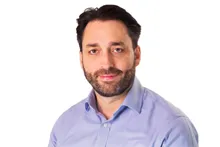 Dr (TCM) Attilio D'Alberto has been practising acupuncture and Chinese herbal medicine for over 22 years and specialises in pregnancy acupuncture. He is the author of My Pregnancy Guide and is passionate about empowering people with the ancient knowledge of Chinese medicine through lifestyle, diet and evidence-based advice.
Dr (TCM) D'Alberto graduated with a Bachelor of Medicine from Beijing University of Traditional Chinese Medicine (TCM) in China – a full-time, five-year degree programme that included six months of clinical internship at two of the largest hospitals in Beijing.
Schedule Appointment