



Acupuncture for IVF (in vitro fertilisation) in Wokingham, Berkshire
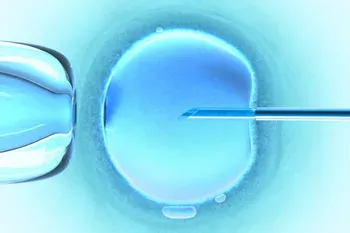
More and more couples are turning to assisted reproductive technologies such as in vitro fertilisation (IVF) to have a baby. There are now dozens of research articles demonstrating that acupuncture can improve both male and female fertility and increase the chances of a successful in vitro fertilisation cycle. Combining acupuncture with in vitro fertilisation has been shown to improve clinical pregnancy rates, support embryo implantation and reduce the stress of fertility treatment.
On this page
- How acupuncture helps in vitro fertilisation
- The Paulus protocol & IVF acupuncture timing
- During IVF treatment
- Embryo transfer
- During the two-week wait
- Research and evidence
- What to expect
- Frequently asked questions
- IVF explanation video
- Our IVF acupuncturist
How acupuncture helps in vitro fertilisation
Acupuncture supports in vitro fertilisation (IVF) treatment through several mechanisms. From a Western medical perspective, acupuncture stimulates the nervous system and triggers the release of neurochemicals that regulate hormone levels, reduce inflammation and improve blood circulation to the reproductive organs. From a traditional Chinese medicine (TCM) perspective, it restores the balance of Qi (energy) and Blood, which are essential for healthy reproductive function.
The key ways in which acupuncture may improve in vitro fertilisation outcomes include:
- Improving ovarian response – acupuncture increases blood flow to the ovaries, which can improve their response to stimulation drugs and support the development of more and better-quality follicles
- Improving egg quality – by enhancing blood supply to the ovaries over a period of months prior to IVF, acupuncture may help improve egg quality
- Improving sperm quality – research shows acupuncture can improve sperm motility, morphology and count in men with subfertility
- Improving uterine lining – a thick, healthy uterine lining is essential for implantation; acupuncture improves blood flow to the uterus to support this
- Supporting implantation – acupuncture around the time of embryo transfer may help reduce uterine contractions and create a more receptive environment for the embryo
- Reducing stress and anxiety – the psychological burden of IVF is significant; acupuncture has a well-documented calming effect that can reduce cortisol levels, which in turn supports hormonal balance
- Reducing side effects of IVF medication – acupuncture can help alleviate nausea, bloating, headaches and mood disturbances associated with fertility drugs
The Paulus protocol & IVF acupuncture timing
The best-known research-backed IVF acupuncture protocol is the Paulus protocol, named after the German fertility specialist Dr Wolfgang Paulus. It involves two 25-minute acupuncture sessions on the day of embryo transfer – one immediately before transfer and one immediately afterwards. The original 2002 study published in Fertility and Sterility reported a clinical pregnancy rate of 42.5% in the acupuncture group compared with 26.3% in the control group.
While the Paulus protocol focuses on the transfer day, modern clinical practice typically combines it with a longer preparation phase to improve egg, sperm and uterine quality before treatment starts. The recommended protocol at Wokingham Therapy Clinic includes:
- 3 months before IVF – weekly acupuncture to improve egg and sperm quality, regulate the menstrual cycle and address any underlying imbalances
- During stimulation – twice-weekly sessions to support ovarian response and reduce the side effects of fertility medications
- Egg collection day – a relaxing session for the male partner to support sperm quality on the day
- Embryo transfer day – the Paulus protocol – one session before and one after transfer
- Two-week wait – two sessions to support implantation and reduce anxiety
- Early pregnancy – continued weekly acupuncture up to 12 weeks to reduce miscarriage risk
This longer protocol reflects the recommendations of acupuncturist Magarelli and other fertility researchers, who have shown that acupuncture started earlier in the IVF cycle produces better outcomes than transfer-day-only acupuncture.
During IVF treatment
It is best to begin acupuncture several months before starting an IVF cycle. A nine-week acupuncture for fertility treatment plan is recommended prior to commencing IVF. Research has shown this can increase IVF success rates by improving emotional wellbeing and increasing blood flow to the reproductive organs.
Personalised lifestyle, dietary and supplement advice will also be provided throughout treatment, based on the extensive research Dr (TCM) D'Alberto has reviewed while writing his books on fertility and IVF.
Dr (TCM) D'Alberto recommends weekly acupuncture treatments before starting IVF, then twice-weekly during the stimulation phase of the cycle. Where there is no male factor infertility, a single fertility acupuncture session for the male partner prior to egg collection is recommended to relieve anxiety and stress.
Where male factor infertility is present, a programme of Chinese herbal medicine combined with acupuncture and dietary and lifestyle changes is recommended to optimise sperm quality, motility and count.
Embryo transfer
Dr (TCM) D'Alberto recommends fertility acupuncture both before and after embryo transfer to improve pregnancy rates. Ideally this should be on the same day as, or as close as possible to, your embryo transfer appointment. Out-of-hours appointments are available for women undergoing embryo transfers.
The treatment before embryo transfer focuses on relaxing the uterus, improving blood flow and calming the nervous system. The treatment after transfer aims to support implantation and maintain a warm, nourishing uterine environment. Many women find these sessions deeply relaxing at what can be a stressful time.
During the two-week wait
Two fertility acupuncture treatments are recommended during the two-week wait before taking a pregnancy test. These sessions primarily support implantation of the embryo into the uterine wall, increase blood flow to the uterus and help reduce anxiety and stress.
Once a positive pregnancy test is confirmed, acupuncture can continue up to 12 weeks to help support a healthy pregnancy and reduce the risk of miscarriage.
Research and evidence
The evidence base for IVF acupuncture has grown considerably over the past two decades. Key findings from the research literature include:
- A systematic review and meta-analysis published in the British Medical Journal (BMJ) found that acupuncture performed on the day of embryo transfer significantly increased the odds of clinical pregnancy and live birth
- Research published in Fertility and Sterility found that acupuncture improved clinical pregnancy rates in women undergoing IVF, particularly when treatment was provided over a longer course rather than just on the day of transfer
- Studies have demonstrated that acupuncture can improve sperm motility and morphology in men with subfertility, potentially improving fertilisation rates
- Research has shown that acupuncture reduces levels of the stress hormone cortisol, which can interfere with the hormonal environment needed for successful implantation
- A study in Human Reproduction found that acupuncture improved blood flow to the uterus, as measured by pulsatility index on Doppler ultrasound
Dr (TCM) D'Alberto has reviewed the full body of IVF acupuncture research in writing his books and stays up to date with new publications to ensure his clinical approach reflects the best available evidence.
What to expect
At your initial consultation, Dr (TCM) D'Alberto will take a full medical history, including details of any previous IVF cycles, fertility investigations and current medications. He will develop a personalised treatment plan tailored to your specific situation, including the timing and frequency of acupuncture sessions in relation to your IVF protocol.
Acupuncture needles are very fine and most people find the treatment deeply relaxing. Sessions typically last 45 to 60 minutes. You will be asked to lie comfortably while the needles are in place, often for around 25 to 30 minutes. Many patients fall asleep during treatment.
Alongside acupuncture, Dr D'Alberto will provide guidance on nutrition, supplements and lifestyle factors that can support your IVF cycle. This holistic approach draws on both the latest research and the principles of traditional Chinese medicine.
Frequently asked questions
When should I start IVF acupuncture?
Ideally, you should start acupuncture at least two to three months before your IVF cycle begins. This allows time to improve egg and sperm quality and prepare the body for the demands of IVF stimulation. However, acupuncture can still be beneficial if you begin closer to your cycle start date or even just around the time of embryo transfer.
How many sessions will I need?
The recommended protocol involves weekly sessions in the months leading up to IVF, twice-weekly during the stimulation phase, acupuncture on the day of embryo transfer (before and after), and two sessions during the two-week wait. The total number of sessions will vary depending on your individual circumstances and how early you begin treatment.
Is IVF acupuncture safe?
Yes. Acupuncture is a safe, well-tolerated treatment when performed by a qualified practitioner. Dr (TCM) D'Alberto is a member of the British Acupuncture Council and uses single-use sterile needles. He has extensive experience supporting women and men through fertility treatment and IVF.
Can I have acupuncture alongside IVF medication?
Yes. Acupuncture is safe to use alongside IVF medications and is specifically designed to complement your medical protocol, not replace it. Dr D'Alberto will liaise with you about the timing of your treatments to ensure they align with your IVF schedule.
Does acupuncture hurt?
Acupuncture needles are extremely fine – much thinner than a hypodermic needle. Most people feel little or no discomfort when needles are inserted. You may notice a mild aching or tingling sensation at the needle site, which is a normal part of the treatment. The majority of patients find IVF acupuncture deeply relaxing.
Does acupuncture work for IVF?
Multiple studies and systematic reviews suggest that acupuncture can improve IVF outcomes when delivered as part of a structured protocol such as the Paulus protocol or a longer 3-month preparation programme. Reported improvements include higher clinical pregnancy rates, better embryo quality, improved uterine receptivity and reduced stress. Outcomes depend on individual factors including age, diagnosis and IVF clinic protocol.
What is the Paulus protocol for IVF acupuncture?
The Paulus protocol involves two 25-minute acupuncture sessions on the day of embryo transfer – one immediately before and one immediately after. The original 2002 study reported clinical pregnancy rates of 42.5% in the acupuncture group versus 26.3% in the control group. Most modern clinics combine the Paulus protocol with weekly acupuncture in the months leading up to IVF for the best results.
How long before IVF should I start acupuncture?
Ideally, three months before starting IVF. This allows two to three menstrual cycles for acupuncture to influence egg and sperm quality (which take roughly 90 days to develop). Starting earlier gives more time to address any underlying TCM imbalances. If you are closer to your IVF cycle, treatment can still be helpful – even beginning only at embryo transfer has been shown to improve outcomes.
Can acupuncture help with male factor infertility before IVF?
Yes. Research has shown acupuncture can improve sperm count, motility and morphology in men with subfertility. Treatment for the male partner is typically weekly for three months to coincide with the sperm production cycle. Where significant male factor issues are present, Chinese herbal medicine may also be recommended alongside acupuncture.
How does acupuncture and IVF work together?
Acupuncture and IVF work together by addressing what the IVF protocol alone cannot: the underlying quality of the eggs, sperm and uterine lining, the body's stress response, and the receptivity of the uterus to the embryo. IVF medications stimulate the ovaries to produce more follicles, but they cannot directly improve egg or sperm quality. Acupuncture improves blood flow to the ovaries and testes over a 3-month preparation phase, supports hormonal balance during stimulation, calms the nervous system on transfer day, and helps the uterus receive the embryo during the two-week wait. The two approaches are complementary, not competing.
Can acupuncture help with IVF success rates?
Yes. Multiple systematic reviews and meta-analyses have shown acupuncture can help with IVF outcomes when delivered as part of a structured protocol. The largest improvements are seen when acupuncture is combined with IVF over a longer course (3 months of preparation plus Paulus protocol on transfer day) rather than transfer-day-only sessions. Studies have reported improved clinical pregnancy rates, better endometrial thickness and uterine blood flow, reduced cortisol levels and lower miscarriage rates among women receiving acupuncture alongside IVF.
How does acupuncture help with IVF treatment?
How acupuncture helps with IVF comes down to four documented mechanisms. First, it improves blood flow to the ovaries and uterus by stimulating the autonomic nervous system. Second, it modulates the hypothalamic-pituitary-ovarian axis to support hormonal balance. Third, it lowers stress hormones such as cortisol that can interfere with embryo implantation. Fourth, it reduces uterine contractility around embryo transfer, creating a more stable environment for implantation. These mechanisms support every phase of IVF treatment from stimulation through to the two-week wait.
Does acupuncture work in vitro fertilization protocols across different clinics?
Yes. Acupuncture in vitro fertilization (IVF) support works alongside any UK or international fertility clinic's protocol. Dr (TCM) D'Alberto adapts the acupuncture timing to your clinic's specific stimulation schedule, trigger injection day, and embryo transfer date. Whether you are at a London clinic such as CARE, CREATE, the Lister or Bourn Hall, or a clinic in Reading, Oxford or further afield, treatment timing is co-ordinated with your IVF cycle for the best results.
Is IVF and acupuncture worth the extra cost?
Couples considering IVF and acupuncture together often weigh the cost against the potential improvement in success rates. Published research suggests a structured acupuncture programme can improve clinical pregnancy rates by a clinically meaningful margin, particularly for women with previous failed cycles, thin endometrium, or high stress levels. Given the substantial cost of an IVF cycle itself, many couples find that the additional cost of acupuncture is worthwhile if it improves their chance of pregnancy on the first or second attempt.
Can acupuncture and IVF treatment be combined with Chinese herbal medicine?
Yes – for women not currently taking IVF medications, Chinese herbal medicine can be combined with acupuncture and IVF treatment preparation in the months leading up to the cycle. Once IVF medications begin, Chinese herbs are typically paused to avoid any interaction. Herbs may be resumed cautiously in early pregnancy under the guidance of a qualified practitioner, particularly where there is a history of recurrent miscarriage.
IVF explanation video
Our IVF acupuncturist
Dr (TCM) Attilio D'Alberto BM (Beijing), BSc (Hons) TCM, MBAcC, MRCHM
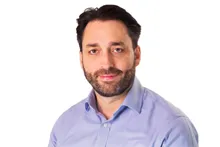 Dr (TCM) Attilio D'Alberto has been practising acupuncture and Chinese herbal medicine for over 20 years, with a specialist focus on fertility and IVF support. He is the author of My Fertility Guide and is passionate about empowering people with the ancient knowledge of Chinese medicine through lifestyle, diet and evidence-based advice.
Dr (TCM) D'Alberto graduated with a Bachelor of Medicine from Beijing University of Traditional Chinese Medicine (TCM) in China – a full-time, five-year degree programme that included six months of clinical internship at two of the largest hospitals in Beijing.
Dr (TCM) D'Alberto practises acupuncture and Chinese herbal medicine from his own fertility clinic in Wokingham.
Schedule Appointment