



Autism and ADHD assessment in Wokingham, Berkshire
On this page
1. About
Wokingham Therapy Clinic offers specialist autism and ADHD diagnostic assessments for children and adults in Wokingham, Berkshire. Our assessments are carried out by a team of qualified professionals from Discover Difference, including an Educational Psychologist and a Speech and Language Therapist, providing a comprehensive, multi-disciplinary evaluation.
A formal diagnosis can be a significant and life-changing step. It provides clarity, opens access to appropriate support, and helps individuals, families and schools better understand a person's needs and strengths. Whether you are seeking an assessment for a child or as an adult, our team will guide you through the process with care and professionalism.
2. Signs and symptoms
Autism and ADHD present differently in each individual. Some common indicators that an assessment may be appropriate include:
Autism
- Difficulties with social communication and interaction
- Challenges understanding social cues, facial expressions or unwritten rules
- A preference for routine and difficulty with change
- Intense, focused interests in specific topics
- Sensory sensitivities (to sound, light, texture, taste or smell)
- Differences in speech and language development
- Repetitive behaviours or movements
ADHD
- Persistent difficulties with concentration and attention
- Impulsivity and acting without thinking
- Hyperactivity or restlessness
- Difficulty organising tasks, managing time or following instructions
- Frequently losing items or forgetting things
- Emotional dysregulation or low frustration tolerance
- Difficulties at school, work or in relationships despite effort
Many individuals present with both autism and ADHD, and symptoms can vary significantly between children and adults, and between males and females. If you are unsure whether an assessment is appropriate, please get in touch to discuss your concerns.
3. The assessment process
Our assessments follow a thorough, evidence-based process and are tailored to the individual being assessed. The process typically involves:
- An initial consultation to discuss concerns, background history and the purpose of the assessment
- Completion of standardised questionnaires and rating scales by the individual, parents or school staff (as appropriate)
- Direct assessment sessions using recognised diagnostic tools
- Observation of behaviour, communication and interaction
- Review of any relevant previous reports or school records
- A comprehensive written report detailing findings, diagnosis (where applicable) and recommendations
- A feedback session to discuss the results and answer any questions
The number of sessions required will depend on the nature of the referral and the individual being assessed. Our assessors will explain the process in full at the outset and keep you informed throughout.
4. After assessment
Following an assessment, you will receive a detailed written report that can be shared with schools, employers, GPs, local authorities or other professionals as required. The report will include a clear summary of findings, any formal diagnosis, and practical recommendations for support at home, school or work.
Our assessors are available to discuss the report findings with you and, where appropriate, can recommend next steps including therapy, school support plans (EHCPs), workplace adjustments or onward referrals.
5. Our assessors
Sarah Demby-Wheeler — Educational Psychologist
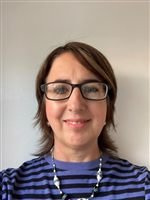 Sarah Demby-Wheeler is an experienced Educational Psychologist with 20 years of experience working across local authorities and educational settings. She is registered with the Health and Care Professions Council (HCPC: PYL23430) and currently works as a locum Educational Psychologist providing statutory advice and supporting schools. Earlier in her career Sarah worked as a secondary school teacher, giving her a practical grounding in how educational environments affect children's development.
Sarah holds an MSc in Professional Educational Psychology, an MA in Psychology of Education, an Advanced Diploma in Educational Psychology and a PGCE in Modern Languages. She is trained in autism and ADHD assessment tools including ADOS-2 and the Adult Asperger Assessment, alongside therapeutic approaches such as CBT, motivational interviewing and solution-focused coaching. Her particular interests include neurodiversity-informed support and promoting emotional wellbeing in education.
To book an assessment or make an enquiry, please visit the Discover Difference contact page.
Sarah Philpott — Speech and Language Therapist
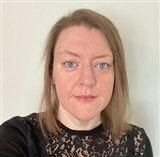 Sarah Philpott is a Speech and Language Therapist with over nine years of clinical experience in autism and learning disability settings across both NHS and private sectors. She is registered with the Health and Care Professions Council (HCPC: SL32621) and is a member of the Royal College of Speech and Language Therapists. She holds a BSc (Hons) in Speech and Language Therapy and a Postgraduate Certificate in Autism Spectrum Conditions.
Sarah currently leads an autism diagnostic pathway within an NHS CAMHS team, focusing on young people experiencing co-occurring mental health difficulties. She employs a neuroaffirmative approach in her clinical practice and has specialist training in ADOS-2, the Autism Clinical Interview for Adults (ACIA), the Brief Observation of Symptoms of Autism (BOSA) and Talking Mats methodology. Sarah has a particular professional interest in autistic experiences of gender diversity and sexuality.
To book an assessment or make an enquiry, please visit the Discover Difference contact page.