


Trauma therapy in Wokingham, Berkshire
Trauma can leave a lasting mark on your mind, body and relationships. At Wokingham Therapy Clinic, our team of trauma-informed therapists and practitioners offers compassionate, evidence-based support in a safe, confidential setting. Whether you are dealing with a recent event or the long effects of past experiences, help is available.
If you are in crisis or having thoughts of harming yourself, please contact your GP urgently, call 111 (option 2 for mental health) or the Samaritans on 116 123, which is free and available 24 hours a day.
On this page
- What is trauma?
- Signs and symptoms
- Types of trauma
- How we treat trauma
- Research and evidence
- Self-help advice
- Our trauma therapists
1. What is trauma?
Trauma is the emotional and psychological response to an event or series of events that overwhelm a person's ability to cope. It is not defined by the event itself but by the impact it has on the individual. Two people can experience the same situation and respond very differently – both responses are valid.
Trauma is extremely common. Research suggests that around 70% of adults experience at least one traumatic event during their lifetime, and approximately 20% of those go on to develop Post-Traumatic Stress Disorder (PTSD). Many more live with the effects of trauma without ever receiving a formal diagnosis.
Trauma that is not properly processed tends to stay lodged in the nervous system, continuing to affect how you feel, how you think and how you relate to others – sometimes for years or even decades after the original event. With the right support, however, recovery is possible.
2. Signs and symptoms
Trauma can present in many different ways. You may recognise some of the following:
Emotional and psychological symptoms
- Flashbacks, intrusive memories or distressing dreams
- Emotional numbing or feeling detached from yourself or others
- Intense feelings of shame, guilt or self-blame
- Persistent anxiety, fear or a sense of being in danger
- Mood swings, irritability or unpredictable emotional reactions
- Difficulty trusting others or feeling safe in relationships
- Low self-worth or a negative view of yourself and the world
Physical and behavioural symptoms
- Hypervigilance – always being on alert for danger
- An exaggerated startle response
- Sleep disturbances, including insomnia or nightmares
- Fatigue and physical tension held in the body
- Avoidance of people, places or situations that act as reminders
- Difficulty concentrating or making decisions
- Using alcohol, food or other substances to manage difficult feelings
Symptoms do not always appear immediately after a traumatic event. They may emerge weeks, months or years later, or be triggered by a later life event. You do not need a diagnosis to seek support.
3. Types of trauma
Trauma takes many forms, and our therapists are experienced across a wide range of presentations:
Post-Traumatic Stress Disorder (PTSD) – a recognised condition that can develop after exposure to a single traumatic event such as a road accident, assault, or witnessing violence. Symptoms include flashbacks, nightmares, hypervigilance and avoidance.
Complex PTSD (C-PTSD) – develops in response to prolonged or repeated trauma, often occurring in childhood or within controlling relationships. In addition to PTSD symptoms, C-PTSD typically involves difficulties with emotional regulation, a deep sense of shame and significant problems with relationships and identity.
Childhood trauma and adverse childhood experiences (ACEs) – abuse, neglect, household dysfunction or early loss can have a profound and lasting impact on emotional development, mental health and physical wellbeing into adulthood.
Relationship and domestic trauma – emotional, physical or sexual abuse within intimate relationships leaves complex psychological wounds that often require specialist, trauma-informed care.
Bereavement trauma – sudden or violent loss can trigger traumatic grief that goes beyond ordinary mourning and benefits from specific therapeutic support.
Medical trauma – a serious diagnosis, hospitalisation, difficult medical procedure or birth experience can all be traumatic. See also our page on birth trauma counselling.
Workplace and accident trauma – trauma resulting from serious accidents, injuries, witnessing events at work, or the cumulative stress of a high-pressure environment.
4. How we treat trauma
Trauma-focused counselling and psychotherapy
Counselling and psychotherapy offers a safe, non-judgemental space to explore traumatic experiences at your own pace. Trauma-informed therapists understand the impact of trauma on the nervous system and work carefully to avoid re-traumatisation. Our counsellors use a range of approaches tailored to your individual needs.
Trauma-focused cognitive behavioural therapy (TF-CBT)
Trauma-focused CBT is recommended by NICE as a first-line treatment for PTSD. It helps you process traumatic memories, challenge distorted beliefs arising from the trauma, and develop practical strategies for managing symptoms.
EMDR (Eye Movement Desensitisation and Reprocessing)
EMDR is a highly effective, NICE-recommended treatment for PTSD in which a therapist guides you through a structured process of recalling traumatic memories while engaging in bilateral stimulation. This helps the brain reprocess the memory so that it loses its power to cause distress. Please ask individual therapists whether EMDR is part of their practice.
Clinical psychology
Clinical psychology provides specialist assessment and evidence-based treatment for more complex trauma presentations, including C-PTSD.
Art psychotherapy
Art psychotherapy offers a non-verbal route into processing trauma, which can be particularly valuable when words feel inadequate or overwhelming. Creative approaches including image-making, sandtray and movement provide safe ways to access and integrate difficult experiences.
Acupuncture
Acupuncture works at the level of the nervous system, helping to regulate the stress response, reduce hyperarousal and promote a sense of calm. It can be a helpful complement to talking therapy, particularly for those who experience trauma stored in the body.
5. Research and evidence
NICE guidelines (NG116) recommend trauma-focused CBT and EMDR as the primary treatments for PTSD in adults, and both have a substantial evidence base across multiple randomised controlled trials. Research consistently demonstrates that trauma-focused psychological therapies produce significant reductions in PTSD symptoms compared to waitlist controls and non-specific support. For complex trauma, a phased approach – establishing safety, then processing trauma, then integration – is widely recognised as best practice. Growing evidence also supports the role of body-based approaches, including acupuncture, in addressing the physiological effects of trauma on the nervous system.
6. Self-help advice
While professional support is important for trauma, the following can help alongside therapy:
- Learn about the nervous system and trauma responses – understanding why you feel as you do can reduce shame and self-blame
- Practise grounding techniques when you feel overwhelmed – for example, noticing five things you can see, four you can hear, three you can touch
- Establish a predictable daily routine to help regulate your nervous system
- Engage in gentle movement such as walking, yoga or swimming, which can help discharge tension held in the body
- Prioritise sleep and limit alcohol, which disrupts trauma processing
- Stay connected to people you trust, even when the urge is to withdraw
- Be patient with yourself – recovery from trauma is not linear
7. Our trauma therapists
Anna Brooks
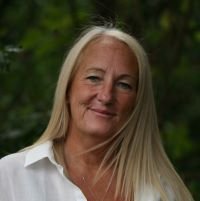 I offer counselling for individuals, young people, couples, and families, providing a warm and supportive space to explore challenges and create positive change.
My approach is integrative, systemic, and trauma-informed. I work with the impact of trauma and difficult childhood experiences, helping clients develop greater self-understanding and move forward from painful past experiences. Clients often say they feel safe, accepted and able to speak openly in sessions with me.
I also offer clinical supervision to counsellors and therapy for counselling students. Contact me for a free 15-minute consultation at www.annabrookscounselling.co.uk, call 07810 531372, or email anna@annabrookscounselling.co.uk.
Heloise Liddell
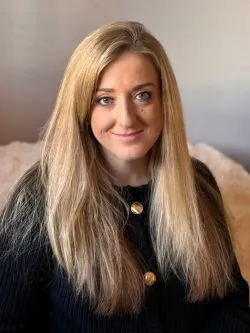 I am an integrative, relational psychotherapist offering a warm, compassionate and non-judgemental space where you can feel heard and understood. I am particularly interested in how past experiences, especially early relationships and losses, can shape how we see ourselves and relate to others.
I have experience working across the NHS, low-cost counselling services, community organisations and a national mental health charity, and I work with a wide range of difficulties including trauma, PTSD, anxiety, depression, bereavement and relationship issues. I hold a Master's degree in Integrative Counselling and Psychotherapy and am a registered member of the British Association for Counselling and Psychotherapy (BACP).
I offer a free introductory phone call. Please feel free to get in touch by email (heloise.liddell@yahoo.com) to find out more.
Deborah Thomas
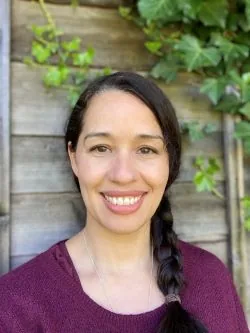 I am a trainee Integrated Art Psychotherapist completing the final year of an MA in Integrative Art Psychotherapy for adults at the Institute for Arts in Therapy and Education in London.
Art psychotherapy can be particularly valuable for trauma, offering access to the unconscious parts of yourself in a safe and contained way – especially when experiences feel too difficult or overwhelming to put into words. I work with metaphor, images, art, sandtray, poetry, music, clay, puppets and the body. I have three years of experience working in the NHS and with a charity for victims of sexual abuse, and have worked with trauma, PTSD, anxiety, depression and more.
Please visit my website www.arttherapywithdeb.co.uk for more information. You can contact me by email at deb@arttherapywithdeb.co.uk or call 0118 230 0808.
Lauren Whayman
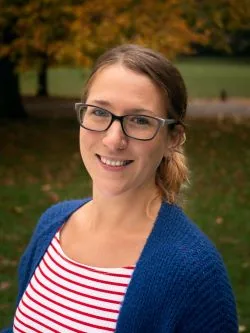 As an experienced Gestalt Counsellor, I support individual adults to better understand their thoughts, feelings and behaviours. I work collaboratively with clients, believing that the relationship between therapist and client is key to the healing process.
Some of the areas I work with include trauma, loss, grief, anxiety, depression, stress, relationships, abuse and bereavement. I am a fully qualified counsellor and a registered member of the British Association for Counselling and Psychotherapy (BACP).
For more information, please visit https://laurenelizabeththerapy.co.uk, email lauren@laurenelizabeththerapy.co.uk or call 07599 174715.
Laura Luzanycia
 I am a qualified Integrative Counsellor and Psychotherapist working with adults, young people and adolescents. I am a registered member of the BACP.
I work in a relational way which allows a deeper level of empathy to understand how you must be experiencing your distress. I bring focus to unconscious processes, patterns of thoughts and behaviours which can influence how you relate to yourself and the world around you – many of which can derive from childhood experiences or traumatic events. We work together to explore these at your pace, to alleviate distress and help you feel more grounded and connected.
Visit my website www.lauraluzanyciacounselling.co.uk, call 07854 904229 or email laura.luzanycia@outlook.com.
Dr (TCM) Attilio D'Alberto BM (Beijing), BSc (Hons) TCM, MBAcC, MRCHM
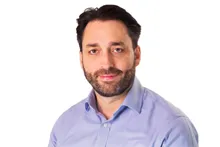 Dr (TCM) Attilio D'Alberto has been practising acupuncture and Chinese herbal medicine for over 25 years. He is passionate about empowering people with the ancient knowledge of Chinese medicine through lifestyle and diet.
Dr (TCM) D'Alberto graduated with a Bachelor of Medicine from Beijing University of Traditional Chinese Medicine (TCM) in China – a full-time, five-year degree programme that included six months of clinical internship at two of the largest hospitals in Beijing.
Dr (TCM) D'Alberto practises acupuncture, moxibustion and cupping from his own acupuncture clinic in Wokingham. He is a member of the British Acupuncture Council and practises traditional Chinese acupuncture.
Schedule Appointment