


Irritable bowel syndrome (IBS) treatment in Wokingham, Berkshire
Irritable bowel syndrome (IBS) affects around 1 in 5 people in the UK and can have a significant impact on daily life. At the Wokingham Therapy Clinic, our integrated team offers a holistic approach to IBS, combining evidence-based therapies that address both the gut and the powerful gut-brain connection that drives many of the symptoms.
On this page
- About IBS
- Symptoms
- Types of IBS
- Causes and triggers
- How we treat IBS
- Research and evidence
- Self-help advice
- Our acupuncturist
1. About IBS
IBS is a functional gut disorder, meaning that while the digestive system causes real and sometimes severe symptoms, standard tests do not typically show structural damage or disease. Modern research has revealed IBS to be a disorder of gut-brain interaction, where communication between the digestive tract and the central nervous system becomes dysregulated.
Because of this gut-brain connection, the most effective approaches to IBS usually combine dietary, physical and psychological strategies.
2. Symptoms
- Abdominal pain and cramping, often relieved by going to the toilet
- Bloating and abdominal distension
- Diarrhoea, constipation or alternating between the two
- Urgency or incomplete evacuation
- Excess wind
- Mucus in stools
- Fatigue
- Symptoms that worsen with stress or certain foods
3. Types of IBS
- IBS-D – predominantly diarrhoea
- IBS-C – predominantly constipation
- IBS-M – mixed or alternating diarrhoea and constipation
- IBS-U – unclassified
4. Causes and triggers
IBS is a multifactorial condition. Common contributing factors include:
- Stress, anxiety and disturbances in the gut-brain axis
- Altered gut motility
- Increased gut sensitivity (visceral hypersensitivity)
- Changes in the gut microbiome
- Post-infectious IBS following a gastrointestinal infection
- Food sensitivities, particularly to FODMAPs
- Hormonal changes
- Family history
5. How we treat IBS
Acupuncture
Acupuncture can help regulate gut motility, reduce visceral sensitivity, calm the stress response and improve the gut-brain connection. It is particularly useful where stress is a major trigger for symptoms.
Chinese herbal medicine
Chinese herbal medicine has a long history of use for digestive conditions and research increasingly supports its use in IBS. Dr (TCM) Attilio D'Alberto uses pharmaceutical-grade Sun Ten herbal granules, tailored to your specific pattern.
Nutritional therapy
Nutritional therapy can guide you through strategies such as the low-FODMAP diet, identifying food triggers, improving gut microbiome diversity and addressing nutritional gaps.
Hypnotherapy
Hypnotherapy – specifically gut-directed hypnotherapy – has strong NICE-backed evidence for IBS, producing long-lasting symptom improvement in many patients.
Cognitive behavioural therapy (CBT)
CBT is recommended by NICE for IBS that has not responded to standard treatments. It helps address the thought patterns and behaviours that can maintain symptoms through the gut-brain axis.
Counselling
Counselling can help address the anxiety, stress and low mood that often accompany and exacerbate IBS.
6. Research and evidence
NICE guideline CG61 on IBS recommends considering psychological interventions including CBT and hypnotherapy where symptoms have not responded to pharmacological treatment for 12 months or more. Multiple systematic reviews and meta-analyses have found gut-directed hypnotherapy to produce significant and long-lasting improvements in IBS symptoms. For acupuncture, a 2022 systematic review concluded that it was more effective than pharmacological treatment for overall IBS symptom improvement and quality of life.
7. Self-help advice
- Eat regular meals and avoid skipping or rushing meals
- Limit caffeine, alcohol and fizzy drinks
- Keep a food and symptom diary to identify triggers
- Drink plenty of water
- Consider discussing a trial of the low-FODMAP diet with a qualified practitioner
- Manage stress through regular exercise, meditation or yoga
- Prioritise sleep
- Chew food thoroughly and eat in a calm environment
Our acupuncturist
Dr (TCM) Attilio D'Alberto BM (Beijing), BSc (Hons) TCM, MBAcC, MRCHM
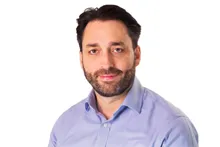 Dr (TCM) Attilio D'Alberto has been practising acupuncture and Chinese herbal medicine for over 25 years. He is passionate about empowering people with the ancient knowledge of Chinese medicine through lifestyle and diet.
Dr (TCM) D'Alberto graduated with a Bachelor of Medicine from Beijing University of Traditional Chinese Medicine (TCM) in China – a full-time, five-year degree programme that included six months of clinical internship at two of the largest hospitals in Beijing.
Dr (TCM) D'Alberto practises acupuncture, moxibustion and cupping from his own acupuncture clinic in Wokingham. He is a member of the British Acupuncture Council and practises traditional Chinese acupuncture.
Schedule Appointment