



Tennis elbow and golfer's elbow treatment in Wokingham, Berkshire
Tennis elbow and golfer's elbow are painful overuse injuries that can significantly interfere with work, sport and daily life. At the Wokingham Therapy Clinic, our therapists offer effective treatments to reduce pain, improve function and help you avoid recurrence.
On this page
- About tennis elbow and golfer's elbow
- Common causes
- Symptoms
- How we treat elbow pain
- Research and evidence
- Self-help advice
- Patient reviews
- Our acupuncturist
1. About tennis elbow and golfer's elbow
Tennis elbow (lateral epicondylitis) affects the tendons on the outside of the elbow, which attach to the muscles that extend the wrist and fingers.
Golfer's elbow (medial epicondylitis) affects the tendons on the inside of the elbow, which attach to the muscles that flex the wrist and fingers.
Despite the names, both conditions affect many people who have never picked up a racquet or golf club. They are caused by repetitive strain and overuse of the forearm muscles, and are common in manual workers, office workers who type all day, musicians and DIY enthusiasts.
2. Common causes
- Repetitive gripping, twisting or lifting
- Prolonged computer and mouse use
- Manual trades such as carpentry, plumbing and decorating
- Playing racquet sports with poor technique or equipment
- Weightlifting with poor form
- Playing a musical instrument
- Sudden increase in arm activity
3. Symptoms
- Pain and tenderness on the outside (tennis elbow) or inside (golfer's elbow) of the elbow
- Pain that may radiate down into the forearm
- Weak grip strength
- Pain when gripping, lifting or twisting objects
- Stiffness in the elbow, particularly in the morning
- Pain when shaking hands, opening a jar or turning a door handle
4. How we treat elbow pain
Acupuncture
Acupuncture is one of the most effective treatments for tennis elbow and golfer's elbow. It works by reducing inflammation, improving local blood flow, releasing tight muscles in the forearm and triggering the body's own pain-relieving mechanisms. Most patients notice significant improvement within a few treatments.
Physiotherapy
Physiotherapy uses specific loading exercises (such as eccentric strengthening) that have strong evidence for treating tendon problems. Your physiotherapist will also assess for any contributing factors in the neck, shoulder and wrist.
Osteopathy
Osteopathy addresses not just the elbow itself but also the neck, shoulder and wrist, which often play a role in chronic elbow problems through altered biomechanics and referred pain.
Sports massage
Sports massage releases the tight forearm muscles that pull on the painful tendon, and treats trigger points that can refer pain into the elbow.
Cupping therapy
Cupping therapy can be applied to the forearm to lift tissues, improve circulation and reduce muscular tension contributing to tendon stress.
5. Research and evidence
A systematic review and meta-analysis published in the Journal of Pain Research concluded that acupuncture was effective for lateral epicondylitis, providing greater pain relief than sham acupuncture and ultrasound therapy. For tendon problems more broadly, evidence strongly supports progressive loading exercise, which is a cornerstone of physiotherapy treatment.
6. Self-help advice
- Rest from the aggravating activity where possible, but avoid complete inactivity
- Use an ergonomic mouse and keyboard, and take regular typing breaks
- Check your technique and equipment if you play racquet sports
- Apply ice to the elbow for 15 minutes after activity if painful
- Gradually strengthen the forearm muscles with specific exercises
- Consider a counterforce brace (epicondylitis strap) for temporary support
7. What patients say – Google reviews
“A year of double tennis elbow pain. Acupuncture with Attilio kickstarted my recovery – eight sessions made a real difference.”
“After two sessions for my tennis elbow there was a significant reduction in symptoms. I'd recommend Attilio without hesitation.”
“Tennis elbow and shoulder pain – Attilio roots out the painful areas easily. The pain has pretty much disappeared.”
8. Our acupuncturist
Dr (TCM) Attilio D'Alberto BM (Beijing), BSc (Hons) TCM, MBAcC, MRCHM
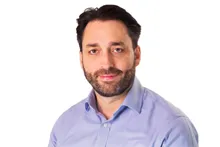 Dr (TCM) Attilio D'Alberto has practised acupuncture and Chinese herbal medicine for over 25 years and has helped many patients overcome chronic elbow and tendon pain. He holds a 5.0-star Google rating from over 230 reviews. Dr (TCM) Attilio D'Alberto's acupuncture is recognised by most private health insurance companies.
He graduated with a Bachelor of Medicine (BM) from Beijing University of Traditional Chinese Medicine – a full-time, five-year medical degree including clinical internships at two of the largest hospitals in Beijing. He is a registered member of the British Acupuncture Council (BAcC), the Register of Chinese Herbal Medicine and the Register of Chinese Herbal Medicine.
Dr (TCM) D'Alberto practises from his acupuncture clinic in Wokingham.
Book your tennis elbow consultation today. Most patients see meaningful improvement within the first few sessions.
☎ Call 07786 198 900 ✉ info@wokinghamtherapyclinic.com
Book your consultation