


Muscle pain treatment in Wokingham, Berkshire
Muscle pain, strains and chronic tension can affect any part of the body and interfere with work, sport and sleep. At the Wokingham Therapy Clinic, our therapists offer effective treatments to release tight muscles, relieve pain and help you move freely again.
On this page
- Common causes of muscle pain
- Symptoms
- How we treat muscle pain
- Research and evidence
- Self-help advice
- Our acupuncturist
1. Common causes of muscle pain
- Strains and overuse from sport, exercise or sudden activity
- Postural tension from desk work and prolonged sitting
- Stress, which raises muscle tension across the neck, shoulders and back
- Myofascial trigger points – tight knots that refer pain elsewhere
- Delayed-onset muscle soreness after unaccustomed exercise
- Underlying conditions such as fibromyalgia
2. Symptoms
- Aching, soreness or stiffness in the affected muscles
- Tender knots or tight bands within the muscle
- Pain that worsens with movement or pressure
- Reduced flexibility and range of movement
- Referred pain from trigger points to other areas
- Muscle fatigue and tension headaches
3. How we treat muscle pain
Acupuncture
Acupuncture is highly effective for muscular pain. Needling tight bands and trigger points produces a local twitch response that releases the muscle, improves blood flow and triggers the body's own pain-relieving mechanisms, easing both the pain and the underlying tension.
Sports massage
Sports massage works directly on tight, overworked muscles, releasing knots and adhesions, improving circulation and restoring normal length and function.
Physiotherapy
Physiotherapy addresses the cause of recurrent muscle pain with strengthening, stretching and movement retraining, and treats strains with a graded rehabilitation programme.
Osteopathy
Osteopathy releases muscular tension and improves the joint mechanics and posture that often drive chronic muscle pain.
4. Research and evidence
Research published in the Journal of Traditional Chinese Medicine and elsewhere has shown that acupuncture and dry needling of myofascial trigger points significantly reduce muscular pain and improve range of movement. Massage therapy also has good evidence for relieving muscle tension and delayed-onset muscle soreness.
5. Self-help advice
- Keep gently active – movement helps muscles recover
- Apply heat to relax tight, aching muscles
- Stretch regularly, particularly if you sit for long periods
- Stay well hydrated and warm up before exercise
- Address stress, which is a major driver of muscle tension
- Build activity levels gradually to avoid overload
Our acupuncturist
Dr (TCM) Attilio D'Alberto BM (Beijing), BSc (Hons) TCM, MBAcC, MRCHM
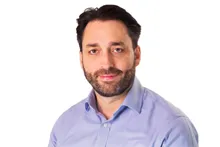 Dr (TCM) Attilio D'Alberto has been practising acupuncture and Chinese herbal medicine for over 25 years. He is passionate about empowering people with the ancient knowledge of Chinese medicine through lifestyle and diet. Dr (TCM) Attilio D'Alberto's acupuncture is recognised by most private health insurance companies.
Dr (TCM) D'Alberto graduated with a Bachelor of Medicine from Beijing University of Traditional Chinese Medicine (TCM) in China – a full-time, five-year degree programme that included six months of clinical internship at two of the largest hospitals in Beijing.
Dr (TCM) D'Alberto practises acupuncture, moxibustion and cupping from his own acupuncture clinic in Wokingham. He is a member of the British Acupuncture Council and practises traditional Chinese acupuncture.
Schedule Appointment